Herbalism for Beginners How to Start Learning Plant Medicine
Plant medicine can feel both familiar and mysterious. A cup of peppermint tea is ordinary. Learning to identify peppermint in the garden, understand its traditional uses, and prepare it safely is where herbalism begins to open up.
Herbalism is not about memorizing a long list of “remedies.” It is a slow relationship with plants, people, place, and history. For beginners, the safest path is simple: learn a few herbs well, identify them correctly, prepare them gently, and use trustworthy sources.
This guide offers a grounded way to start learning plant medicine without getting overwhelmed. It is informational only and not a substitute for medical care, diagnosis, or treatment. Herbs can interact with medications, medical conditions, pregnancy, breastfeeding, and surgery, so use care and ask a qualified clinician when needed.

Start with the right mindset before using herbs
Herbalism for beginners works best when it begins with curiosity, patience, and respect. Plants are not just ingredients. They are living things with names, habitats, growing seasons, sensory traits, and cultural stories.
A beginner does not need a cabinet full of tinctures. A better starting place is a few common plants, a good field guide, a notebook, and time outdoors.
A strong first goal is to learn:
What a plant looks like at different growth stages
Where it grows and what conditions it prefers
Which part people traditionally used
How people prepared it
When it should be avoided
What reliable sources say about safety
This slower approach helps prevent one of the biggest beginner mistakes, treating herbs as harmless because they are “natural.” Many gentle herbs are safe for common food-like use, but others are potent, irritating, toxic, or unsafe in certain situations.
A useful rule is to learn one plant deeply before adding five more. That means more than reading a short description online. It means observing the plant, smelling it, tasting it only when safe and properly identified, reading about it in several sources, and recording your own notes.
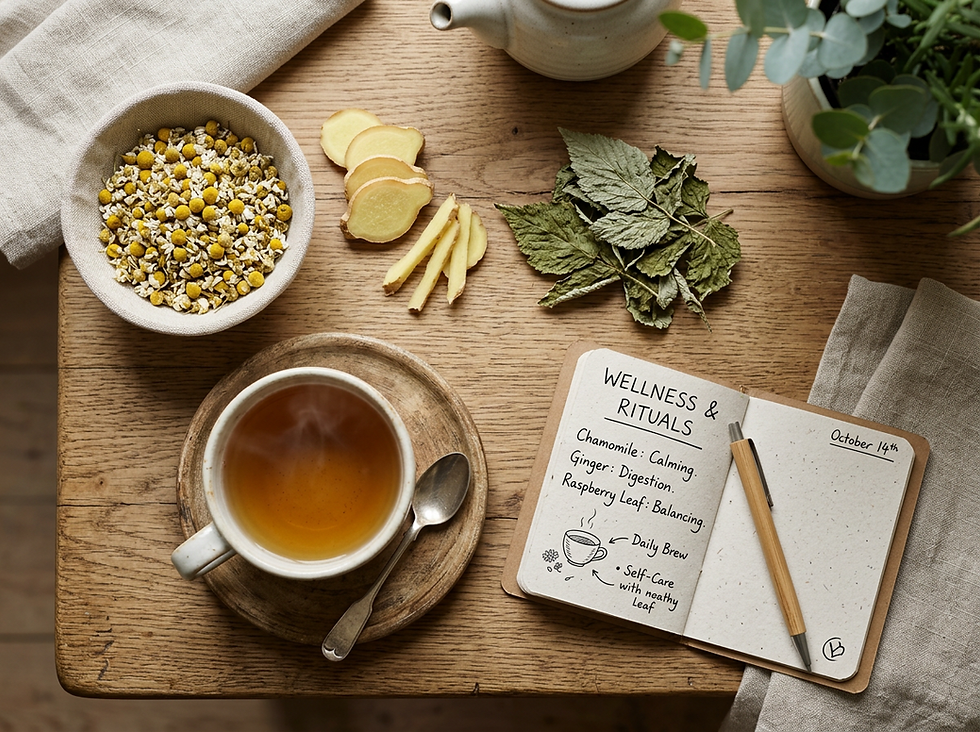
Good beginner herbs often include plants that are widely used as foods or teas, such as peppermint, chamomile, lemon balm, ginger, nettle, and calendula. Even these deserve careful study. Chamomile, for example, may bother people with certain plant allergies. Nettle is commonly used as a nourishing tea, but fresh nettles sting until properly handled and prepared.
Small steps build real skill.
Learn to identify herbs before you use them
Correct identification is the foundation of herbalism. No preparation method can fix a misidentified plant.
Common names can cause confusion. One region’s “wild carrot” may be another person’s “Queen Anne’s lace,” and it has dangerous look-alikes in the carrot family. This is why beginners should learn both the common name and the Latin binomial, such as Mentha × piperita for peppermint or Matricaria chamomilla for German chamomile.
Latin names may look fussy at first, but they help you know exactly which plant a book, teacher, or herbal supplier means.
When studying a plant, look at the whole picture:
Leaf shape and arrangement
Stem shape, color, and texture
Flower color, shape, and pattern
Scent when the leaf is gently crushed
Growth habit, such as creeping, upright, or shrubby
Habitat, such as wet soil, field edges, woodland, or garden beds
Season of growth, bloom, and seed
Do not rely on a single app for identification. Plant apps can be helpful learning tools, but they make mistakes. Use at least two reputable field guides for your region, compare several features, and learn dangerous look-alikes before harvesting anything.
If you are not completely sure what a plant is, do not harvest it for internal use.
For beginners in the United States, it is often safest to start with purchased dried herbs from reputable suppliers while you practice identification outdoors. This lets you learn preparation and taste without the risk of wildcrafting mistakes.
If you do gather plants, follow basic ethics:
Harvest only where it is legal
Avoid roadsides, sprayed lawns, industrial areas, and polluted water
Take only a small amount from abundant plants
Leave rare or threatened plants alone
Ask permission on private land
Harvest in a way that allows the plant community to continue
Identification is not a box to check. It is an ongoing skill that sharpens over years.

Learn traditional uses with respect and context
Many people come to herbalism because they want to reconnect with older ways of knowing. Family teas, kitchen remedies, seasonal tonics, and garden plants often carry stories from ancestors and elders.
That history matters. People around the world developed plant traditions through close observation, trial, error, ceremony, land-based living, and community memory. Learning these traditions can bring depth to plant study, but it should be done with respect.
Start close to home if you can. Ask older relatives what plants they remember using. Maybe someone drank ginger tea in winter, used aloe on minor kitchen burns, picked dandelion greens in spring, or kept mint near the back door. Write down the story, the preparation, and the context.
Useful questions include:
What was the plant called?
Who taught the practice?
Which part of the plant was used?
Was it a tea, food, poultice, bath, syrup, or steam?
When was it used?
Were there any warnings or people who avoided it?
Was it part of a cultural, spiritual, or seasonal practice?
This kind of learning keeps herbalism human. It also reminds us that traditional use is not the same as a guaranteed medical effect. A plant can have a long history of use and still need caution.
Respect also means giving credit. If you learn from a specific cultural tradition, teacher, or community, name that source in your notes. Avoid taking sacred or closed practices out of context. Some knowledge is not meant to be copied casually.
For beginners, traditional uses can guide study questions. If your family used lemon balm tea for a calm evening, you might then read modern herb texts, look up safety notes, grow the plant, and try a mild tea if it is appropriate for you. The tradition opens the door. Careful learning helps you walk through it responsibly.
Keep an herb journal from the beginning
An herb journal turns scattered facts into lived knowledge. It does not need to be beautiful, though it can be. It just needs to be honest and consistent.
Use a notebook, binder, spreadsheet, or digital notes app. Paper works well because you can tape in pressed leaves, sketch plants, and carry it outside. Digital notes are easier to search. The best system is the one you will actually use.
Create one page or section for each herb. Include:
Journal detail | What to record |
Plant name | Common name and Latin name |
Identification notes | Leaf, stem, flower, scent, habitat, season |
Plant part used | Leaf, flower, root, seed, bark, or whole aerial parts |
Traditional uses | Family notes, cultural references, and historical uses |
Preparation | Tea, infusion, decoction, tincture, oil, salve, food, or bath |
Taste and energetics | Bitter, sweet, pungent, cooling, warming, drying, or moistening |
Safety notes | Interactions, allergies, pregnancy cautions, dose concerns |
Personal observations | How it smelled, tasted, felt, and where you found it |
Sources | Books, teachers, labels, databases, or courses |
The “personal observations” section matters. Books can tell you that peppermint is aromatic, but your own senses teach you what that means. Smell the dried leaf. Smell the fresh leaf. Notice how the taste changes after five minutes of steeping compared with fifteen.
A simple herb journal entry might look like this:
Peppermint,Mentha × piperita
Grows in moist garden soil and spreads by runners. Square stem. Opposite leaves. Strong cool mint scent when crushed. Used traditionally after meals as tea. Prepared as a covered infusion with dried leaf. Taste is bright, aromatic, cooling, slightly sweet. Avoid strong preparations with reflux if it worsens symptoms. Sources checked include a beginner herb book, supplier monograph, and class notes.
Over time, your journal becomes more valuable than any single book. It shows what you have studied, what you have tried, what you need to verify, and what questions keep coming back.

Begin with teas and simple preparations
Tea is one of the best starting points in herbalism because it is simple, familiar, and sensory. It teaches taste, aroma, extraction, and patience.
Herbal teas are often called tisanes because they do not always contain true tea from Camellia sinensis. They may use leaves, flowers, roots, seeds, or bark. Different plant parts need different methods.
Use infusions for leaves and flowers
An infusion works well for delicate parts like peppermint leaf, lemon balm leaf, nettle leaf, chamomile flower, and calendula flower.
A basic method:
Place the dried herb in a mug or heat-safe jar.
Pour hot water over it.
Cover the cup to keep aromatic oils from escaping.
Steep for the recommended time from a trusted source.
Strain, smell, sip, and take notes.
Covering the tea may seem minor, but aromatic plants like peppermint and lemon balm lose some of their fragrance with steam.
Start with single-herb teas before making blends. This helps you learn each plant’s taste and feel. Once you know the individual herbs, blending becomes more meaningful.
Use decoctions for roots, seeds, and bark
A decoction uses gentle simmering. It is better for tougher plant parts, such as ginger rhizome, licorice root, cinnamon bark, or burdock root.
A basic method:
Add the herb and water to a small pot.
Bring it to a low simmer.
Simmer gently according to a trusted source.
Strain and record taste, color, and aroma.
Some roots and barks are strong and may not suit everyone. Licorice root, for example, is not appropriate for some people, including those with high blood pressure or certain medical conditions. This is why safety research comes before regular use.
Keep preparations gentle at first
For the first few months, stay simple:
Single-herb teas
Culinary herbs in food
Herbal steams with caution around heat
Simple infused oils for external use, when appropriate
Garden observation and plant walks
Wait before making concentrated tinctures, strong essential oil preparations, or complex formulas. Essential oils are especially concentrated and require training. They are not the same as gentle herbal teas.
The beginner path should feel steady, not rushed.
Use reputable sources and build a small learning library
Herbal information online ranges from excellent to unsafe. A pretty post can make a weak claim look convincing. Good herbal learning uses several kinds of sources and checks safety every time.
Look for sources that include:
Latin names
Plant parts used
Preparation methods
Clear safety cautions
References or teacher lineage
Dose ranges when appropriate
Contraindications and interactions
A realistic tone, not miracle claims
Avoid sources that promise cures, tell everyone to use the same herb, ignore medication interactions, or describe every plant as safe for all people.
A beginner library can include:
A regional field guide
Choose one focused on your part of the United States. It should help you identify plants where you actually live.
A beginner herbal textbook
Look for a book that covers basic preparations, safety, plant profiles, and common household herbs.
A materia medica
This is a collection of plant profiles. A good one gives Latin names, parts used, traditional uses, taste, energetics, preparations, and cautions.
A botany guide for non-botanists
Botany vocabulary makes field guides easier to use. Learning terms like opposite leaves, compound leaf, bract, umbel, and rhizome will pay off quickly.
Trusted herbal organizations or schools
Many herbal schools and professional groups publish safety articles, monographs, and beginner courses. Look for teachers who name their training, stay within a clear scope of practice, and encourage medical care when needed.
If you use scientific sources, read with care. One lab study does not prove that an herb will work the same way in a person. Traditional knowledge, clinical research, safety data, and practical experience all have different roles.
A helpful habit is the “three-source rule.” Before using an herb regularly, check at least three reputable sources. If they disagree, write that down. Differences often reveal important details, such as preparation, dose, plant part, or safety concerns.
Build a simple first-month practice
A clear plan helps turn interest into practice. Here is a gentle way to begin.
Week 1
Choose three common herbs to study. Good options include peppermint, chamomile, and ginger. Create journal pages for each. Record Latin names, plant parts used, and safety notes.
Week 2
Make single-herb teas from reputable dried herbs. Use one herb at a time. Notice aroma, taste, color, and how the tea changes as it cools. Keep notes simple but specific.
Week 3
Practice identification. Visit a garden, park, or yard and observe one safe, familiar plant. Do not harvest unless you are fully certain and allowed to do so. Sketch the plant or take your own photos for study.
Week 4
Research traditional uses. Ask a family member about a plant they remember, or read about a plant used in your cultural background. Add the story and source to your journal. Then compare it with two modern reputable references.
By the end of one month, you will not “know herbalism,” but you will have the start of a real practice. You will know how to slow down, ask better questions, and handle plant information with care.

Let plant medicine become a lifelong study
Herbalism grows through repetition. The same peppermint patch teaches different lessons in spring, midsummer, and fall. The same cup of chamomile tastes different when steeped lightly or strongly. The same traditional story becomes richer when you learn the plant’s botany, safety, and place in the ecosystem.
Begin with common herbs. Learn their names. Learn their look-alikes. Drink simple teas. Keep a careful journal. Listen to family and cultural memory with respect. Check reputable sources before using any plant, especially if health conditions or medications are involved.
Plant medicine is not something to rush through. It is a practice of attention. Start with one plant, one cup, and one page of notes. That is enough to begin.


Comments