5 Medicinal Herbs Every Beginner Should Know for Traditional Wellness
A small herb shelf can make everyday wellness feel more grounded. Not because herbs are magic, and not because they replace care from a qualified professional, but because they connect simple routines with long traditions of comfort, flavor, and self-care.
For beginners, the best place to start is with familiar plants. Think lavender, peppermint, chamomile, ginger, and calendula. These herbs have long histories in home use, are easy to find in the U.S., and fit naturally into teas, baths, kitchen recipes, and calming rituals.
This guide focuses on traditional uses and general wellness, not medical treatment. If you are pregnant, nursing, taking medication, managing a health condition, or preparing herbs for a child, check with a qualified health professional first.

How to think about medicinal herbs as a beginner
The word “medicinal” can sound intense, but many traditional herbs entered daily life through simple habits. People brewed them as tea, added them to food, tucked them into linen sachets, or used them in baths and oils.
A beginner-friendly approach starts with three ideas.
Use herbs gently. More is not better. Start with small amounts and notice how your body responds.
Keep it simple. One herb at a time teaches more than a crowded blend. It also makes it easier to spot what you like.
Respect plant strength. Herbs can interact with medications or cause reactions for some people. Treat them with the same care you would give any wellness tool.
A basic home setup might include a tea infuser, a few labeled glass jars, and fresh or dried herbs from a trusted source. Store dried herbs away from heat, sunlight, and moisture so their color and aroma last longer.
Lavender is the classic herb for quiet routines
Lavender is one of the most recognizable herbs in traditional wellness. Its floral scent has made it a favorite in linen closets, bath blends, sleep rituals, and calming evening routines.
Traditional uses often focus on rest, relaxation, and comfort. A cup of lavender tea, a sachet under a pillow, or a few dried buds in a warm bath can turn an ordinary moment into a slower one. The ritual matters as much as the plant itself.
Lavender also pairs well with other mild herbs, especially chamomile and lemon balm. For beginners, though, try it on its own first. Its flavor can become soapy if too much is used.
Simple ways to use lavender include:
Add a small pinch of dried buds to hot water for a light herbal tea.
Blend dried lavender with Epsom salt for a fragrant bath soak.
Fill a small cotton pouch with dried buds and place it in a drawer.
Choose culinary lavender if you plan to drink or eat it. Decorative lavender may not be suited for food use.
Peppermint brings brightness to tea and digestion traditions
Peppermint has a crisp aroma and a clean, cooling taste. It is one of the easiest herbs to enjoy because it tastes familiar, blends well, and works as a caffeine-free after-meal tea.
In traditional home use, peppermint is often connected with after-dinner comfort. Many people drink it after meals for its refreshing flavor and soothing warmth. The scent alone can feel clearing, especially during seasonal stuffiness, though it should not be treated as a cure for respiratory issues.
Peppermint is strong, so a little goes a long way. Fresh leaves can be steeped for tea, chopped into fruit salad, or added to iced water. Dried peppermint is convenient and keeps well in a sealed jar.
One caution: peppermint may not suit everyone, especially people who experience reflux. If it bothers your stomach, choose a gentler herb like chamomile instead.

Chamomile is a gentle staple with a long history
Chamomile is often the first herbal tea people try. Its apple-like aroma and soft flavor make it a comforting choice for evenings, quiet breaks, and winding down after a busy day.
Traditional wellness practices often use chamomile as a gentle calming herb. It appears in bedtime teas, bath blends, and skin-soothing folk preparations. Rather than thinking of it as a treatment, think of chamomile as a plant that supports a peaceful routine.
German chamomile is common in tea blends, while Roman chamomile is often used in aromatics. For most beginners, dried chamomile flowers from a reputable tea supplier are the easiest option.
Try chamomile in these simple ways:
Steep dried flowers for a mild evening tea.
Combine with lavender for a floral bath blend.
Use cooled chamomile tea as a gentle rinse for hands or feet.
People with allergies to ragweed or related plants should use caution, since chamomile belongs to the same broad plant family.
Ginger is the warming herb every kitchen already knows
Ginger is both a kitchen staple and a traditional wellness herb. Unlike the soft floral herbs, ginger feels warming and lively. It has been used across many food cultures in teas, broths, sweets, and savory dishes.
In everyday wellness traditions, ginger often appears during cold weather, after heavy meals, or anytime a warming drink sounds appealing. A slice of fresh ginger simmered in water with lemon makes a simple, bracing tea.
Fresh ginger has a juicy heat. Dried ginger tastes more concentrated and sharp. Both are useful, but they behave differently in recipes. Beginners may find fresh ginger easier to control.
A basic ginger tea method is simple. Slice a few thin coins of fresh ginger, simmer them in water for several minutes, then add honey or lemon if desired. Keep it mild at first, since ginger can be intense.
People taking blood-thinning medication or preparing for surgery should ask a health professional before using ginger in concentrated amounts.
Calendula adds sunny color to gentle skin traditions
Calendula, also called pot marigold, is known for its golden petals. It has a long history in traditional salves, infused oils, bath blends, and skin-care rituals.
Calendula is usually used externally, though the petals are also used as an edible garnish in some culinary traditions. Its bright color makes it a beautiful herb for beginners who enjoy making simple home preparations.
A common traditional use is calendula-infused oil. Dried petals are steeped in a carrier oil, such as olive oil or sunflower oil, for several weeks. The strained oil can then be used as a body oil or as part of a homemade balm.
Keep homemade products clean and simple. Use dried petals rather than fresh ones for oil infusions, since moisture can encourage spoilage. Label jars with the herb, oil, and date.

Simple habits make herbs easier to learn
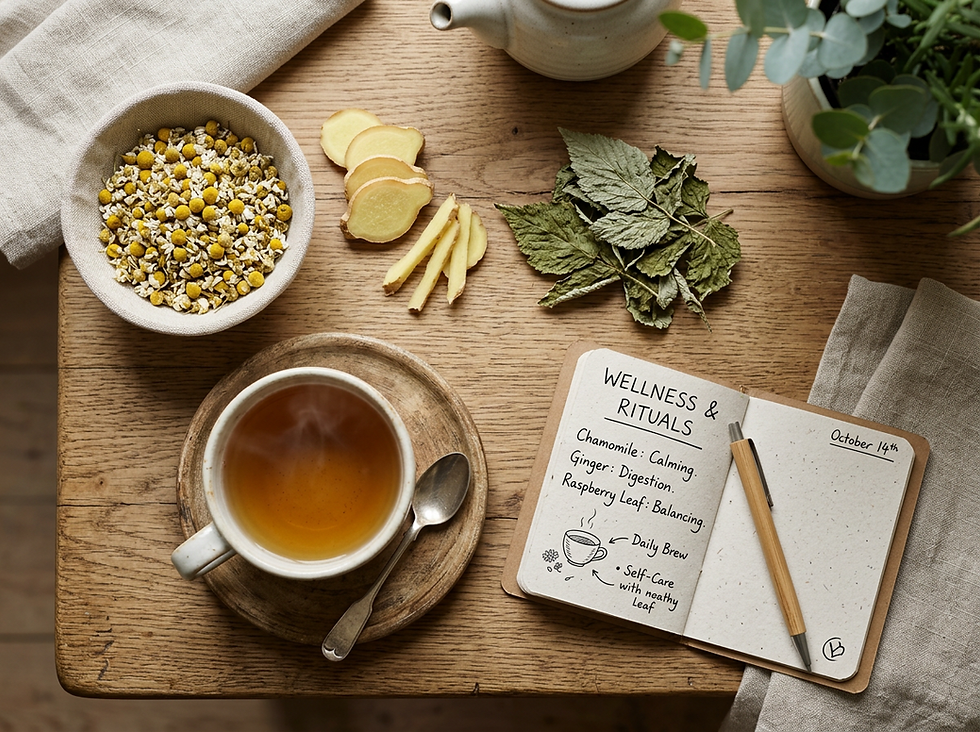
The best way to learn herbs is through repetition. Pick one herb and use it in one simple way for a week. Notice the aroma, taste, and routine around it. Then move to the next herb.
A beginner herb journal can help. It does not need to be fancy. Track:
The herb name
The part used, such as leaf, flower, root, or rhizome
The preparation method
The flavor and aroma
Any personal notes or cautions
This builds confidence without turning herbs into guesswork. It also helps you remember which herbs you truly enjoy.
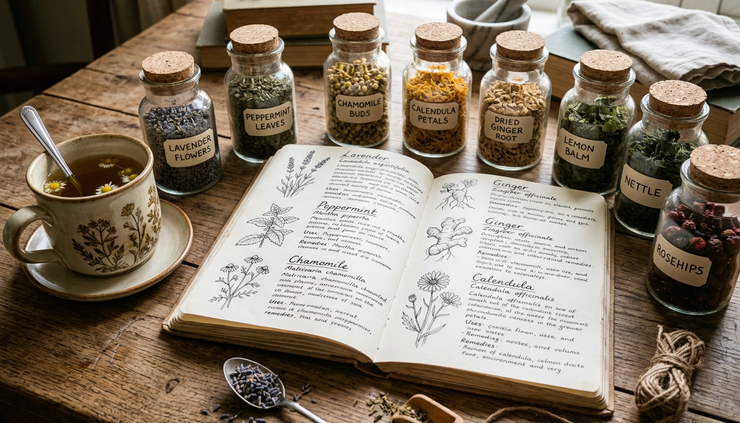
A beginner herb shelf should feel useful, not overwhelming
Lavender, peppermint, chamomile, ginger, and calendula offer a strong starting point for traditional home wellness. Each one has a clear personality. Lavender is floral and quiet. Peppermint is bright and cooling. Chamomile is soft and familiar. Ginger is warm and lively. Calendula is sunny and gentle.
Start with one jar, one tea, or one bath blend. Learn the plant through small, steady use. That approach keeps herbal wellness practical, respectful, and easy to carry into daily life.


Comments