Beginner's Guide to 5 Healing Herbs for Natural Wellness
Herbs are often the first doorway into natural wellness because they feel familiar. A cup of chamomile tea before bed, peppermint after a heavy meal, ginger in soup when the weather turns cold, these simple habits have long histories behind them.
That does not mean herbs are harmless or one-size-fits-all. Medicinal plants contain active compounds. They can support the body in gentle ways, but they can also cause reactions, interact with medications, or be a poor fit for certain health conditions.
This guide introduces five common medicinal herbs, natural wellness traditions often return to again and again: chamomile, peppermint, lavender, ginger, calendula. You will learn what each herb is known for, how beginners often use it, and how to start studying herbs with care.
This article is for educational purposes only. It is not medical advice. If you are pregnant, nursing, managing a health condition, taking medication, or preparing herbs for a child, talk with a qualified health professional before using medicinal herbs.

What responsible herbal learning looks like
Herbal education begins with curiosity, but it grows through observation, patience, and respect. A responsible herbal practice does not begin with a cabinet full of tinctures. It begins with learning one plant at a time.
Traditional herbalism often looks at the whole person and the whole plant. That includes taste, aroma, temperature, preparation method, and context. For example, peppermint tea and peppermint essential oil are not the same thing. A gentle infusion of lavender flowers is very different from applying a concentrated oil to the skin.
A few simple principles can keep beginner learning safe and practical.
Start with mild preparations. Teas, culinary use, and simple infused oils are often easier to understand than strong extracts.
Use one new herb at a time. This makes it easier to notice how your body responds.
Know the plant part. Chamomile flowers, peppermint leaves, lavender buds, ginger rhizome, and calendula petals each have different uses.
Check quality and identity. Buy herbs from reputable suppliers or learn plant identification from experienced teachers before harvesting.
Avoid “more is better” thinking. Herbs can be powerful in small amounts. Respect dosage guidance from trusted herbal references.
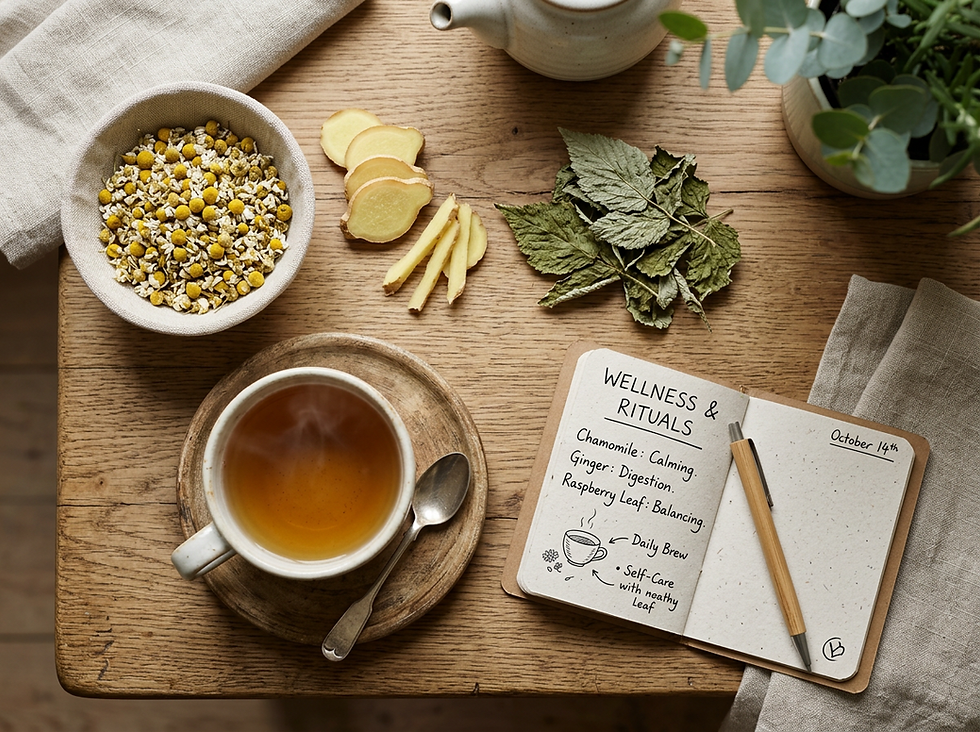
A good herbal journal can be as useful as a shelf full of books. Write down the herb, preparation, amount, date, taste, smell, and how you felt before and after using it. Over time, patterns become clearer.
Chamomile is a gentle starting point
Chamomile is one of the most beloved beginner herbs. The two types most often discussed are German chamomile and Roman chamomile. Both are known for their apple-like aroma and soft, floral taste.
Traditionally, chamomile flowers have been used to support relaxation, rest, and digestive comfort. Many people know it as an evening tea, especially during stressful seasons or after a rich meal.
Chamomile is often described as gentle, but it still deserves care. It belongs to the aster family, the same family as ragweed, daisies, and chrysanthemums. People with allergies to those plants may be more likely to react to chamomile.
Simple ways to learn chamomile
A basic chamomile infusion is a good place to begin.
Add dried chamomile flowers to hot water.
Cover the cup while it steeps to hold in the aromatic compounds.
Notice the scent before tasting.
Write down whether the tea feels drying, soothing, bitter, sweet, or floral.
Chamomile also teaches an important herbal lesson: preparation changes experience. A short steep may taste light and sweet. A longer steep may become more bitter. Neither is wrong. They simply show different sides of the plant.
Beginners can also compare loose dried flowers with a tea bag. Loose herbs often make it easier to see color, scent, and plant structure, which supports better plant literacy.
Peppermint is bright, cooling, and familiar
Peppermint is easy to recognize by its sharp, refreshing scent. The leaves contain aromatic compounds that create a cooling feeling in the mouth and on the skin.
Traditionally, peppermint has been used for digestive comfort, especially after meals. Many people drink peppermint tea when they feel overly full or unsettled. Its flavor is also common in foods, toothpastes, and confections, which makes it one of the easiest herbs for beginners to identify.
Peppermint is not the right fit for everyone. Some people with reflux find that peppermint can make symptoms feel worse. Peppermint essential oil is much more concentrated than tea and should be used with extra caution, especially around children and pets.
Simple ways to learn peppermint
Start with peppermint as tea or as a culinary herb.
Try smelling the dried leaf before and after adding hot water. The aroma often becomes stronger as the leaf opens. Then pay attention to the cooling sensation and how long it lasts.
Peppermint can also be helpful for learning the difference between aromatic herbs and nutritive herbs. Its effects are tied strongly to volatile oils, which are sensitive to heat and time. That is why covering the cup while steeping peppermint tea is a useful habit.
For a simple comparison, taste peppermint beside spearmint. Peppermint is usually sharper and more cooling. Spearmint tends to be sweeter and softer. This kind of side-by-side tasting builds skill without needing complex formulas.
Lavender supports calm through scent and ritual
Lavender is often linked with calm spaces, clean linens, and bedtime routines. Its scent is strong, floral, and slightly resinous. In traditional household use, lavender has been used in sachets, baths, teas, and infused oils.
Lavender is a helpful herb for beginners because it shows how aroma can shape experience. Even before drinking or applying an herb, smelling it can affect how a person relates to the moment. A warm lavender bath, a small sachet by a pillow, or a cup of lavender tea can all create a ritual of slowing down.
Lavender can taste soapy or bitter when too much is used. This is a common beginner mistake. A little often goes a long way.

Simple ways to learn lavender
Begin with scent. Place a small pinch of dried lavender in your palm, rub it gently, and inhale. Notice whether the aroma feels sweet, sharp, green, or medicinal.
For tea, use a small amount at first. Lavender combines well with milder herbs, especially chamomile. This can soften the flavor and make the experience more pleasant.
Lavender-infused oil is another beginner-friendly project, as long as dried plant material is used and good storage practices are followed. The infused oil can be used for simple skin care or massage, but avoid broken skin unless guided by a trained practitioner.
Lavender essential oil needs more caution. Essential oils are concentrated plant extracts, not casual wellness products. They should be diluted properly and kept away from eyes, mucous membranes, and young children.
Ginger brings warmth and movement
Ginger is both food and medicine in many traditions. The part used is the rhizome, the knobby underground stem found fresh in grocery stores and dried in spice cabinets.
Traditionally, ginger has been used to support digestion, warmth, and comfort during cold seasons. Many people know it as ginger tea, ginger broth, or ginger added to food when they want something warming.
Fresh ginger and dried ginger feel different. Fresh ginger is juicy, bright, and pungent. Dried ginger is often hotter, deeper, and more concentrated in flavor. This makes ginger a useful herb for learning how processing changes a plant.
Ginger may not be appropriate in larger amounts for everyone, especially people taking certain medications or preparing for surgery. Culinary amounts are common in food, but concentrated preparations deserve more care.
Simple ways to learn ginger
The easiest lesson is fresh ginger tea.
Slice a few thin pieces of fresh ginger and simmer them in water. Simmering works better than a quick steep because ginger is dense and fibrous. Taste it plain first, then try it with lemon or honey if desired.
Notice where you feel ginger. Does it warm the throat, chest, belly, or hands? Does the heat rise quickly or slowly? These observations are part of traditional herbal learning.
Ginger also belongs in the kitchen. Add a little to soup, rice, stir-fries, or baked goods. Culinary use helps beginners build a relationship with the plant without treating it like a quick fix.
Calendula is a golden herb for skin traditions
Calendula, also called pot marigold, is known for its bright orange and yellow flowers. It should not be confused with ornamental marigolds from the Tagetes genus. In herbal practice, calendula usually refers to Calendula officinalis.
Traditionally, calendula flowers have been used in skin preparations, such as infused oils, salves, washes, and compresses. Many herbalists value it for minor skin care and general skin comfort.
Calendula is also used as tea in some traditions, but beginners often start with topical preparations because the flower is easy to see, smell, and handle. Its color transfers beautifully into oil, which makes the learning process rewarding.
Like chamomile, calendula is in the aster family. People with sensitivities to related plants should use caution.
Simple ways to learn calendula
A dried calendula infused oil is a classic beginner project.
Use dried calendula flowers, not fresh, because fresh flowers contain water that can shorten the shelf life of oil. Place the dried flowers in a clean jar, cover them with oil, and let the mixture infuse in a warm spot away from direct sun. Strain it well and label the jar with the date and ingredients.
This infused oil can become a base for a simple salve, or it can be used as a body oil if the skin tolerates it. Always patch test first. Apply a small amount to a small area of skin and wait to see if irritation appears.
Calendula also teaches patience. Infused oils take time. That slow pace is part of the practice.
Herbal safety belongs in every beginner practice
Natural does not always mean safe. A plant can be natural and still cause an allergy, interact with a medication, or be too strong for the wrong person.
Before using an herb, ask a few practical questions.
What is the correct plant name?
Which part of the plant is used?
Is it better as tea, food, oil, or another preparation?
Who should avoid it?
Could it interact with medications or health conditions?
What is a reasonable beginner amount?
How long is it appropriate to use?
This is where good references matter. Choose books and teachers that include safety notes, botanical names, preparation methods, and contraindications. Be careful with social media posts that make dramatic claims or treat herbs like instant cures.
It also helps to learn basic botanical names. Common names can be confusing. For example, “marigold” can refer to more than one plant. Botanical names are not about sounding advanced. They help prevent mistakes.
Simple ways to begin learning herbs at home
A beginner herbal practice can stay simple for months. In fact, simple is better. Pick one herb and spend a week or two with it before moving to the next.
Try this gentle learning plan.
Week 1
Choose one herb. Read about its traditional uses, safety concerns, plant family, and common preparations.
Week 2
Make one simple preparation, such as tea or infused oil. Keep notes on taste, scent, color, and personal response.
Week 3
Compare forms. Try fresh ginger beside dried ginger, or loose chamomile beside a tea bag.
Week 4
Review your notes. Decide whether the herb feels useful, enjoyable, or worth studying further.
A basic home herbal kit might include:
A small jar of one dried herb
A tea strainer
A notebook
Labels and a pen
A clean glass jar for infusions
A trusted beginner herbal reference
Keep labels clear. Include the herb name, botanical name if known, source, and date. Store dried herbs away from heat, light, and moisture. If an herb loses its color and scent, it may also lose much of its usefulness.
Let the plants teach slowly
The best beginner herbal education is steady, humble, and hands-on. Chamomile can teach softness and bitterness. Peppermint can teach aroma and cooling. Lavender can teach the power of scent. Ginger can teach warmth and preparation. Calendula can teach patience and care through the skin.
Start with one cup of tea, one journal page, or one jar of infused oil. Learn the plant in front of you before reaching for the next one. That slow approach builds the kind of knowledge that lasts, and it keeps natural wellness rooted in respect rather than guesswork.


Comments